
Meeting America’s Rising Energy Demand: Scaling Power Infrastructure for a New Reality
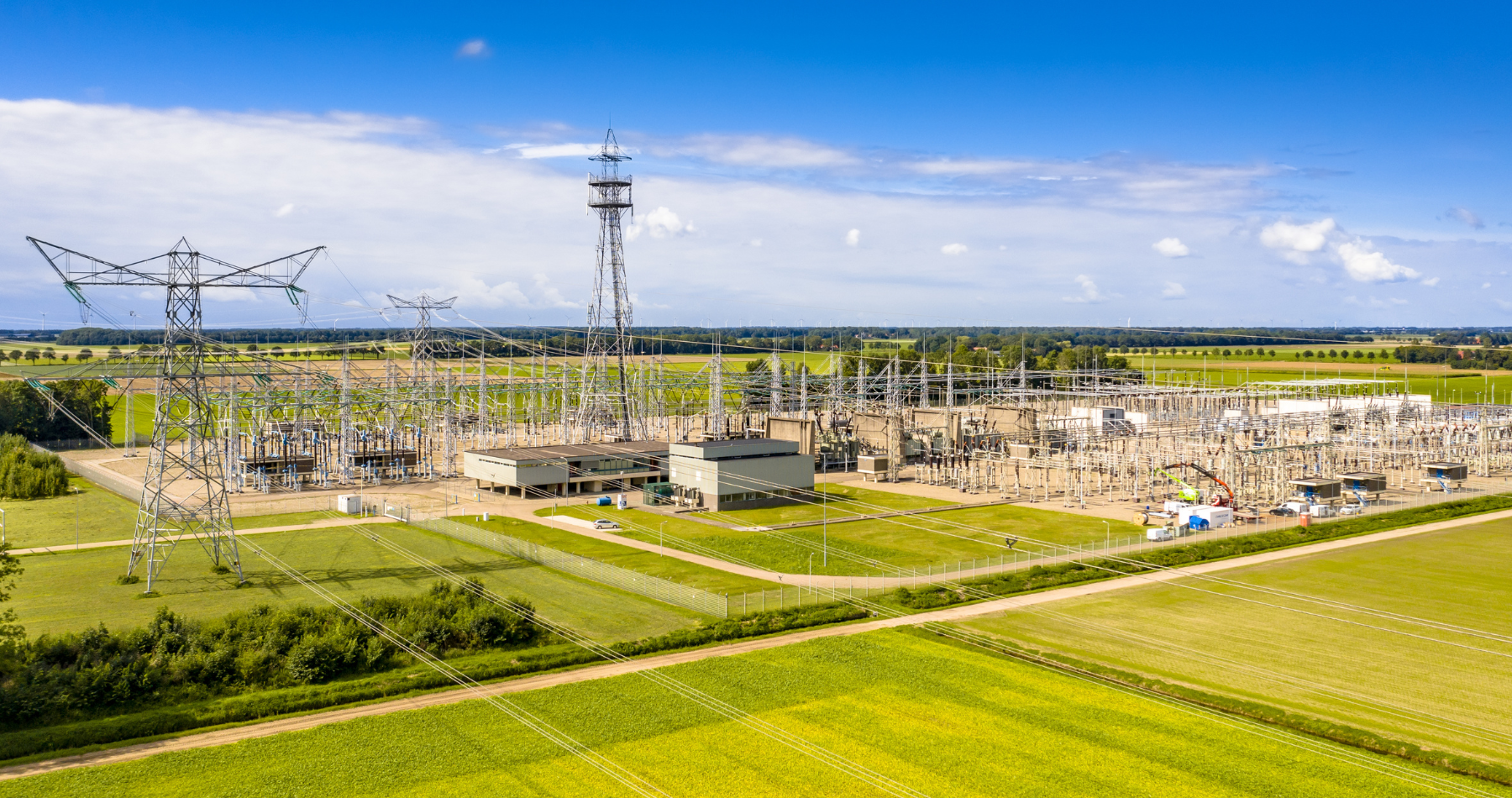
America’s demand for electricity is rising at a pace the nation has not seen in decades. For nearly twenty years, consumption followed a steady and predictable path. With the latest S&P Global projections showing demand rising another 17 percent by 2030, that stability is beginning to erode. The country may find ways to generate more power to meet this surge, but the real strain lies elsewhere. The infrastructure that once quietly powered growth is now being pushed to its limits. Can the nation’s power infrastructure keep up with a surge it was never built to handle?
This surge is not a temporary spike but part of a long-term transformation of the energy landscape, driven by the rapid rise of data centers, the electrification of industries, and the race to integrate renewable energy solutions. These converging forces are accelerating demand in ways that traditional grid infrastructure was never designed to support, creating significant challenges in transmission, distribution, and system integration.
At the heart of this shift is the rapid growth of data centre demand. As the need for high-performance computing, cloud services, and artificial intelligence expands exponentially, data centres are emerging as some of the largest consumers of electricity in the United States, as indicated, in the table, from SemiAnalysis report.

https://www.csis.org/analysis/electricity-supply-bottleneck-us-ai-dominance
Nowhere is this trend more visible than in Texas, which already has 405 operational data centers with more than 440 planned by 2030. The state alone is projected to see an additional 32 GW of data center demand by 2031. The pace of industrial and infrastructure development in Texas reflects a broader national reality: electricity demand is rising faster than the infrastructure needed to support it.
Yet data centers are only part of the story. The electrification of heavy industries is also reshaping the power demand landscape. Facilities such as electric vehicle production plants, battery manufacturing sites, semiconductor fabrication facilities, hydrogen generation projects, and reshored manufacturing operations are all driving a massive increase in energy consumption across multiple states. These industries require not only megawatt scale power capacity, but also highly engineered distribution systems, protection schemes, and seamless integration with existing grid infrastructure.
The real bottleneck: infrastructure, not generation
This rapid growth comes with a number of challenges. Much of the focus is on expanding generation capacity through renewable (solar and wind) energy investments, gas turbines, and battery storage solutions, and long term decarbonization pathways. Despite having enough generation capacity, the real challenge lies in transmission, distribution and interconnection. Several structural constraints are emerging:
- Aging grid infrastructure requiring modernization and expansion
- Substation capacity limitations in high-growth areas
- Transmission congestion between generation and load centers
- Interconnection backlogs for new industrial and renewable projects
- Long lead times for critical components such as transformers and switchgear
US grid infrastructure was designed for a very different era of power consumption and now requires extensive upgrades to meet the demands of today’s industries. These infrastructure upgrades require long planning cycles, capital investment, and coordinated engineering. Moreover, as more power is generated, the grid’s ability to distribute it efficiently is being tested, especially in high-growth areas. This transmission congestion creates bottleneck that delay project commissioning.
Equipment shortages
Compounding the infrastructure readiness problem is a severe supply chain crisis for critical equipment such as transformers, switchgear, and high voltage components. The United States faces a 30 percent shortfall in power transformers and a 10 percent gap in distribution units in 2025. To compensate, utilities are now importing approximately 80 percent of their power transformer supply and 50 percent of their distribution transformer needs, a dependence that creates its own risks around lead times, logistics, and quality assurance.
Domestic OEMs, facing capacity constraints and surging order volumes, are quoting extended wait times that can stretch project timelines. Supply is lagging behind demand, creating a widening market gap and escalating lead times and prices.
The new industrial imperative: speed to power
With demand outpacing the ability to deploy infrastructure, a new industrial imperative is emerging: speed to power.
In this environment, organizations that can accelerate engineering timelines, modularize infrastructure, and streamline grid integration gain a competitive edge. Modular electrical systems, integrated engineering, and reduced on site construction complexity are becoming essential for shortening lead times and improving deployment speed. This approach strengthens quality control, shortens installation timelines, and reduces site risk.
As supply chains tighten and consumption grows, organizations must secure alternative sources and reliable suppliers to keep pace with development. Building resilient, globally connected supply networks with aligned partners is becoming critical. Diversification not only mitigates equipment shortages but also provides the agility required to keep grid projects moving as energy demand accelerates.
Accelerating deployment through integrated electrical solutions
Bridging the gap between rising demand and infrastructure readiness requires more than additional generation capacity. It requires integrated electrical systems engineered for speed, reliability, and scalability.
Advanced modular electrical solutions play a critical role. By adopting a system integration approach that combines modular MV/LV E Houses, prefabricated power skids, advanced substation automation, and electrical services, project timelines can be significantly shortened. These solutions accelerate delivery while enabling reliable and efficient grid integration, minimizing downtime and operational risk.
Powering the next phase of energy growth
Organizations will need to think beyond conventional approaches to meet the scale and speed of the challenge ahead.
With greater emphasis on modular electrical solutions, companies like INTECH are offering modular E Houses, power skids, and substation automation systems that can be deployed rapidly while reducing on site complexity. To navigate supply chain constraints, they leverage robust global supply networks built over decades, enabling panels and electrical systems to be sourced and completed across strategically located manufacturing facilities. These solutions can then be tailored to the United States operating environment while meeting IEC performance standards, helping bypass supply chain bottlenecks while maintaining the quality required for critical infrastructure.
The next decade of energy growth will belong to those who can deploy modular power infrastructure at the speed the future demands.